Explainer video examples, and why each one works
Eleven product films for SaaS tools, AI products, apps and communities, 45 to 60 seconds each. Under each one: the moment it starts from, the turn, and why it lands.
What the films that work have in common
- Start in the customer's moment, not on the product: an inbox at night, a Reddit thread, a family group chat.
- Tell one idea, not a tour. A screen recording with motion on it is a demo; the story is a moment from the user's life, and the product shows up inside it.
- Show the product doing the work once, clearly, and hold it long enough to read.
- Put the promise on screen in words, so the film works with the sound off.
- Change the shot every few seconds. If two moments look alike, one of them should be a new shot.
- Keep it to 45 to 60 seconds, with music that builds to the turn.
SaaS explainer video examples
 0:52
PRISM: The whiteboard
For a system design interview simulator
Why it works
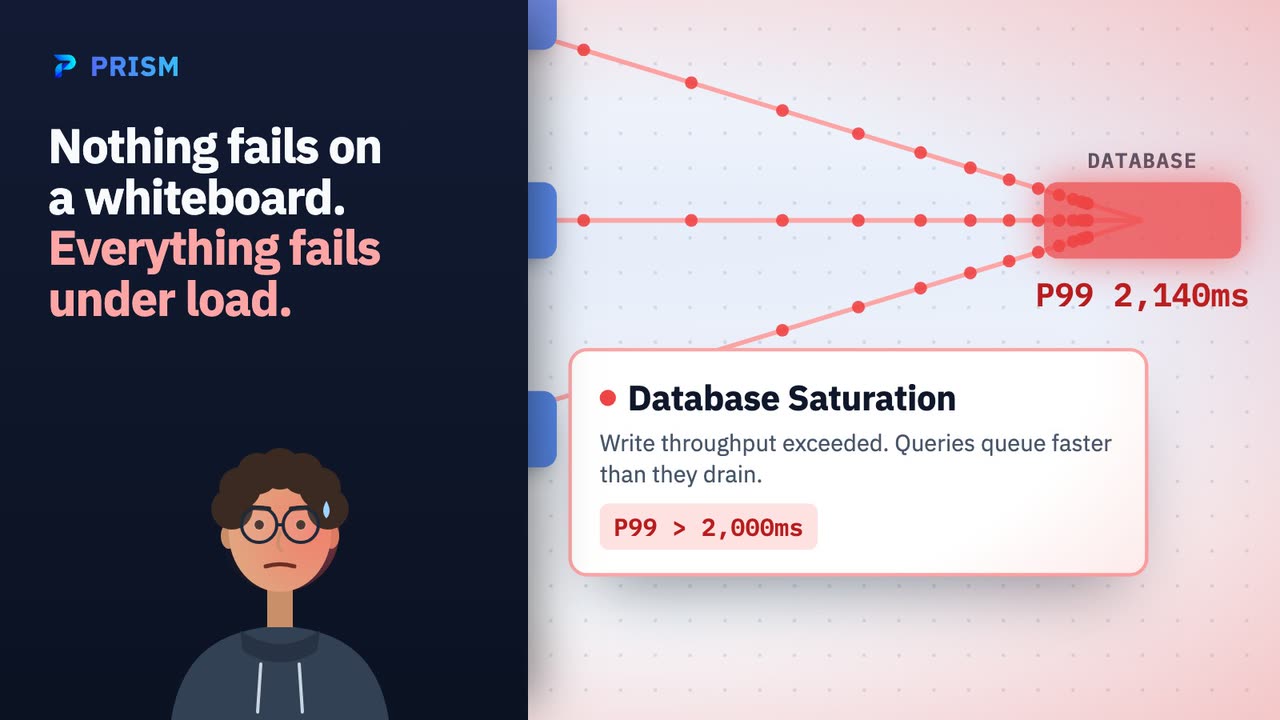
It opens on the moment its users dread: freezing when the interviewer asks what breaks at 50,000 requests a second. That night the simulation engine does the work on screen, failing the database, the load balancer and the servers one by one, so the product's mechanism is the story rather than a feature list.
 0:55
Ghostlaunch: Send the ghost first
For a tool that tests a startup idea before you build it
Why it works
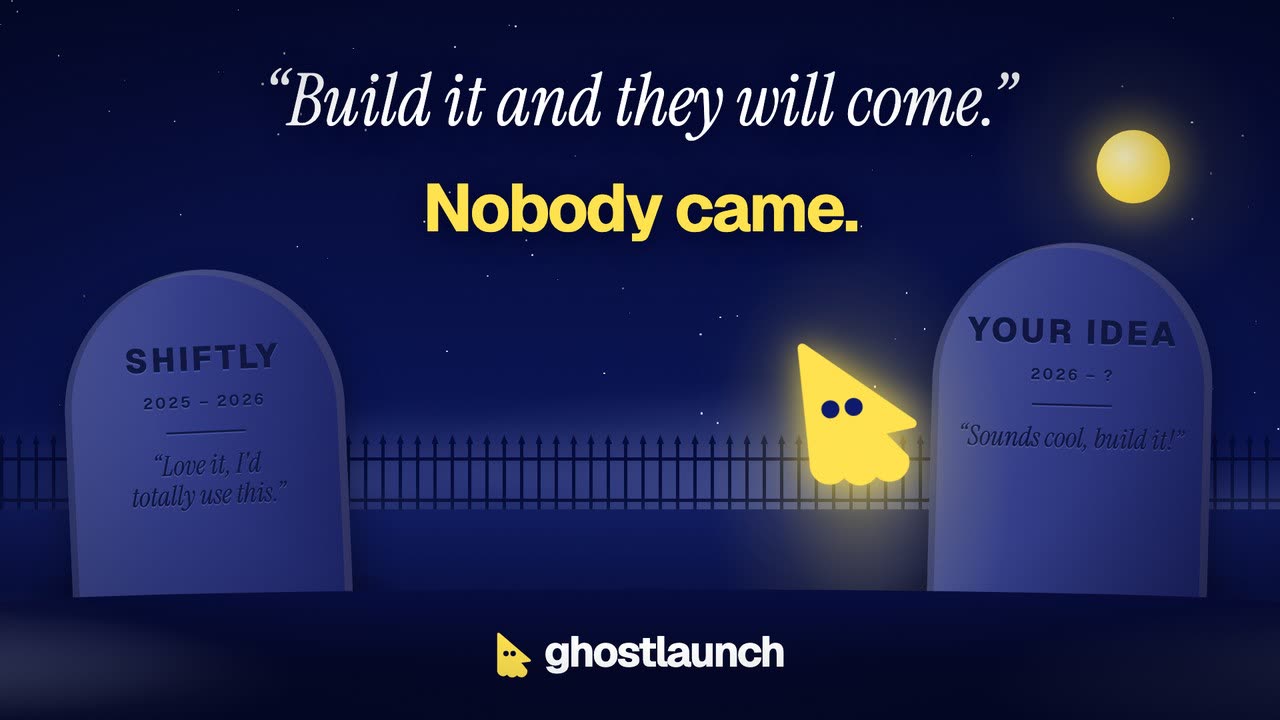
A graveyard of startups nobody came to turns a familiar founder fear into one image, each headstone carved with what people told the founder. The product enters as the idea's ghost going out first, so the promise, test it before you build it, is shown rather than said.
 0:52
ReplyHey: Reddit marketing, without the ban
For a Reddit marketing tool
Why it works
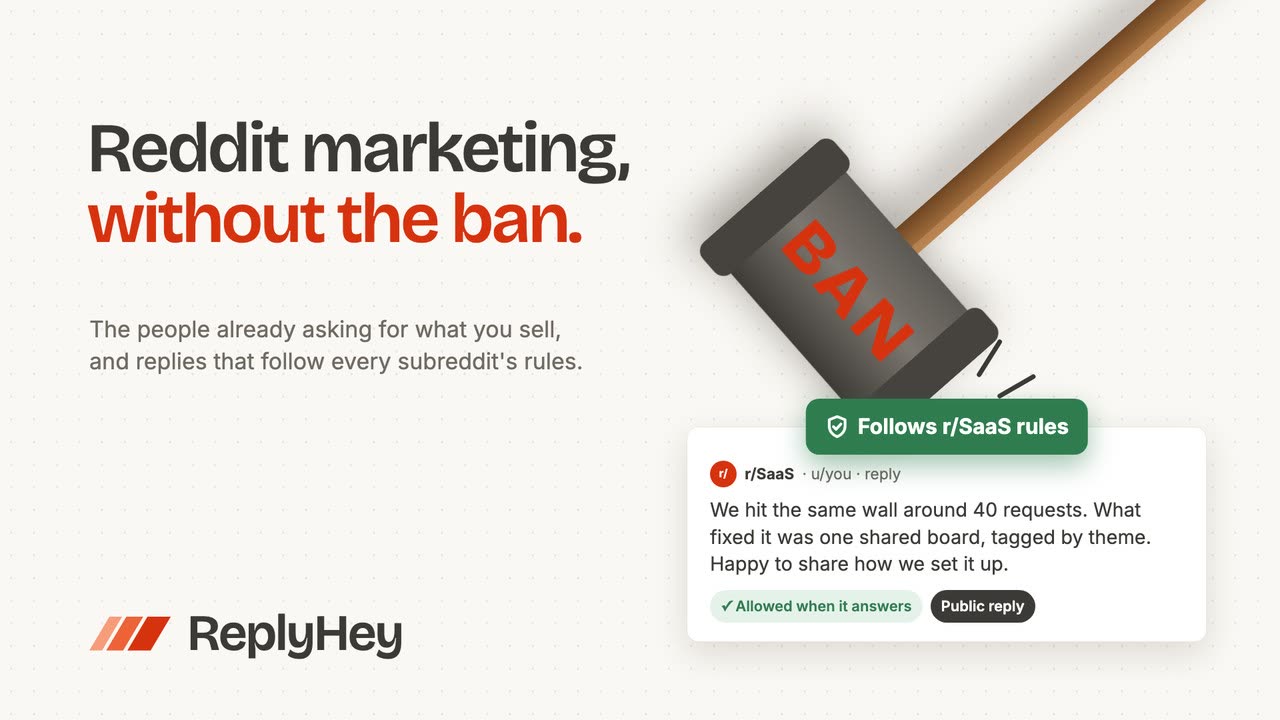
It opens on the failure its users fear most, a promo post removed and the account banned. Then it shows the mechanism, reading each community's rules before anything is posted, and ends on replies that are allowed and get answers. Fear, fix and payoff, in that order.
 0:52
Ghostlaunch: Meanwhile
For a tool that tests a startup idea before you build it
Why it works
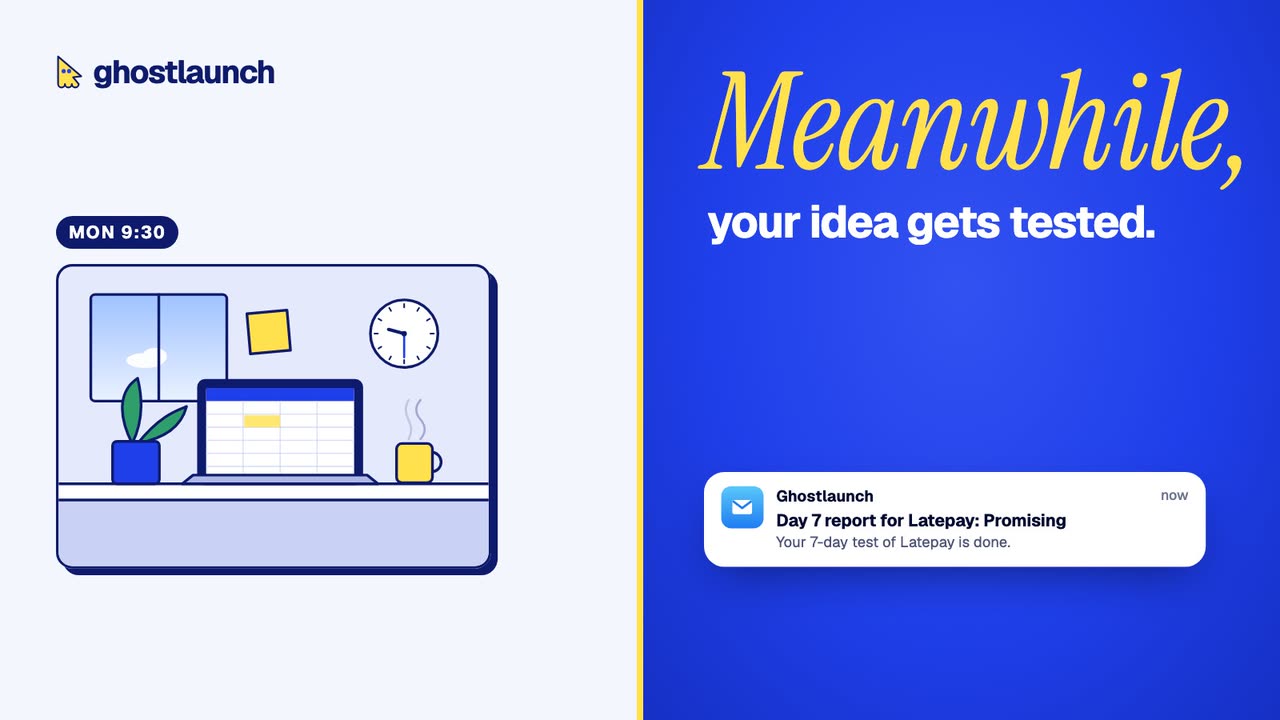
It sells time rather than features. A founder types a few sentences about an idea on the train, then gets on with the week while the test runs on its own. The report arriving on Sunday night is the payoff, and the title carries the promise.
AI product video examples
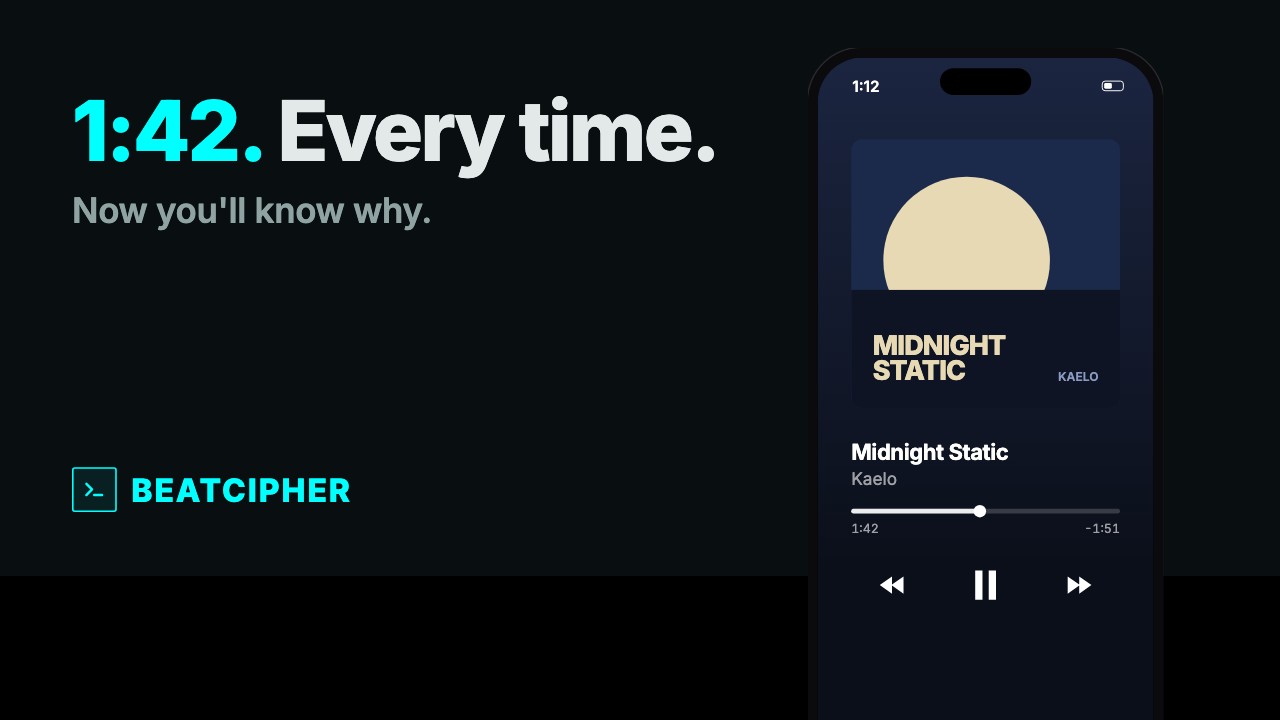 0:48
BeatCipher: The chills
For an AI app that decodes why a song gets you
Why it works
It lets you feel the product's subject before it explains it. The film's soundtrack is the song that gets the listener at 1:42: it builds, goes silent and drops, and only then does BeatCipher decode that same second in its real report. By the time the app explains the chills, the viewer has had them.
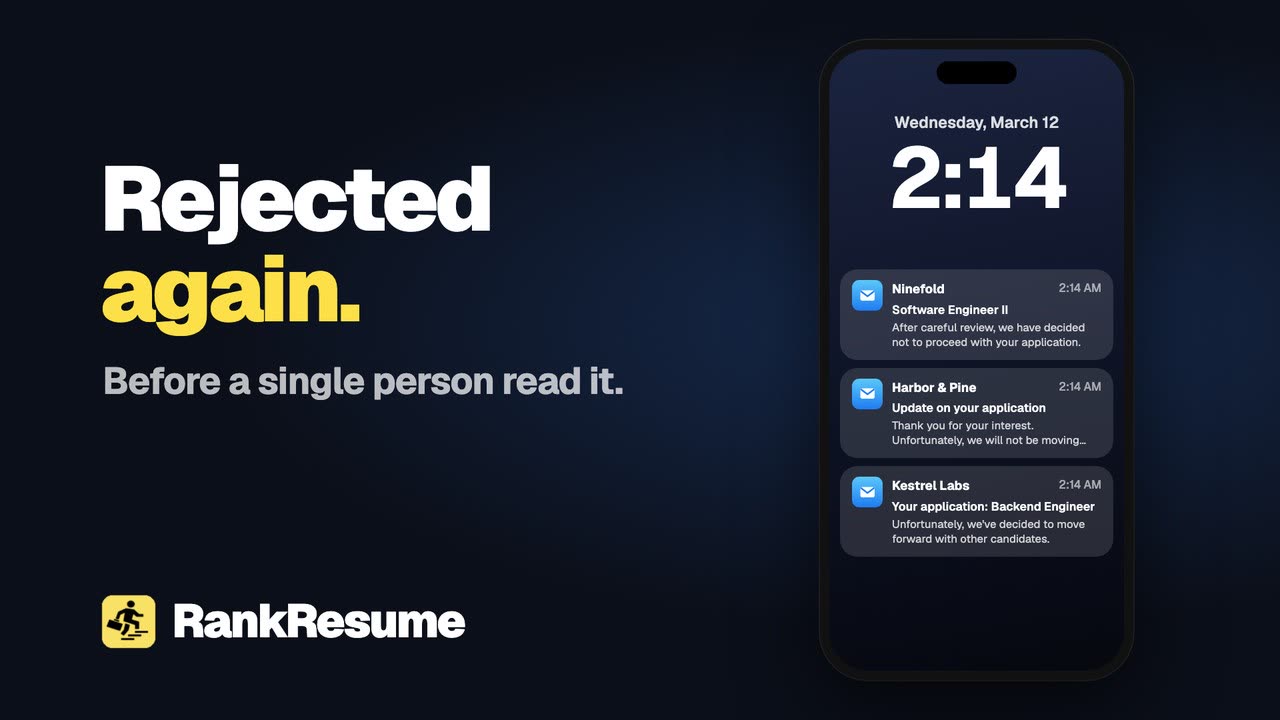 0:57
RankResume: Rejected at 2:14 AM
For an AI resume checker
Why it works
It starts with a rejection that arrives in the middle of the night, before any person has read the resume, a moment job seekers know well. The fix stays in the same world: the resume checked against the job, tailored in the job's own words, then interview emails arriving.
App promo video examples
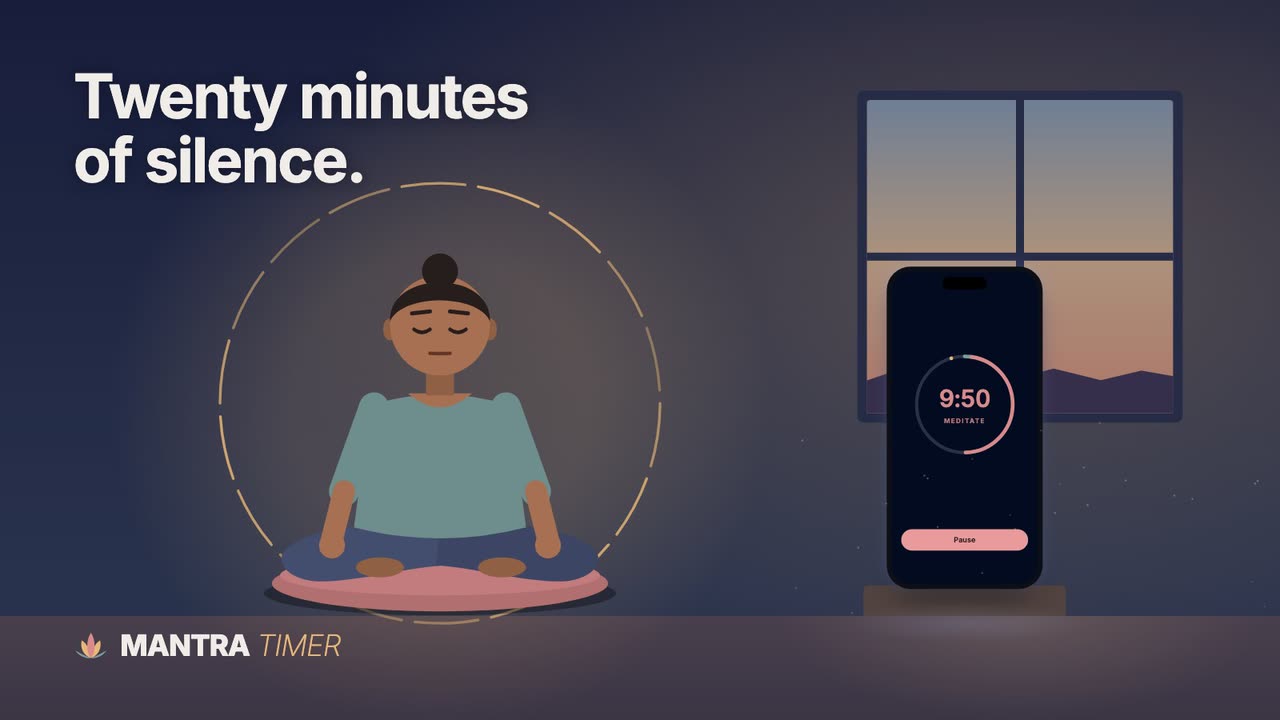 0:52
Mantra Timer: Twenty minutes, interrupted
For a meditation timer for iPhone
Why it works
Someone sits down to meditate and the phone keeps breaking the silence, one notification after another. Everyone has had that moment, so the next morning's twenty quiet minutes, ending on the chime, sell the app without a single feature list.
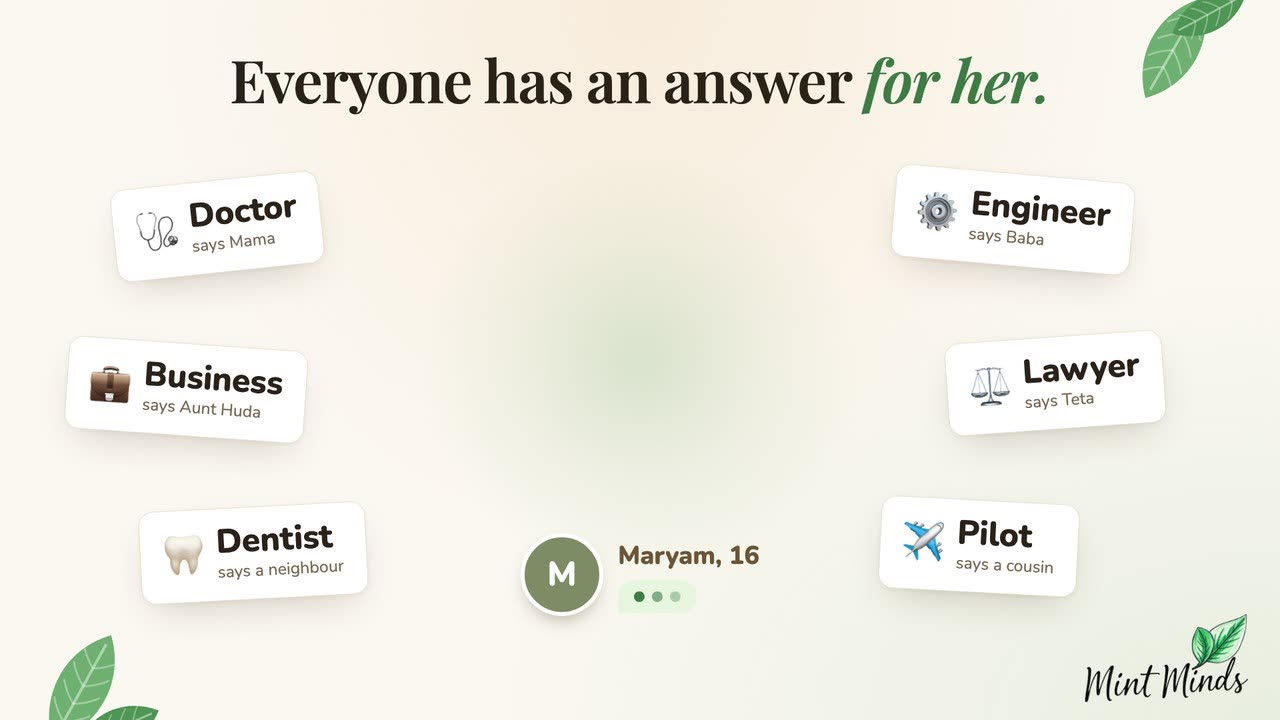 0:58
Mint Minds: What do you want to be?
For a career assessment for teenagers
Why it works
A family group chat filling with career advice from everyone is a scene teenagers and their parents both recognise. The suggestions fall away, she takes the assessment, and careers that match what she actually enjoys give the film its quiet payoff.
Community and launch video examples
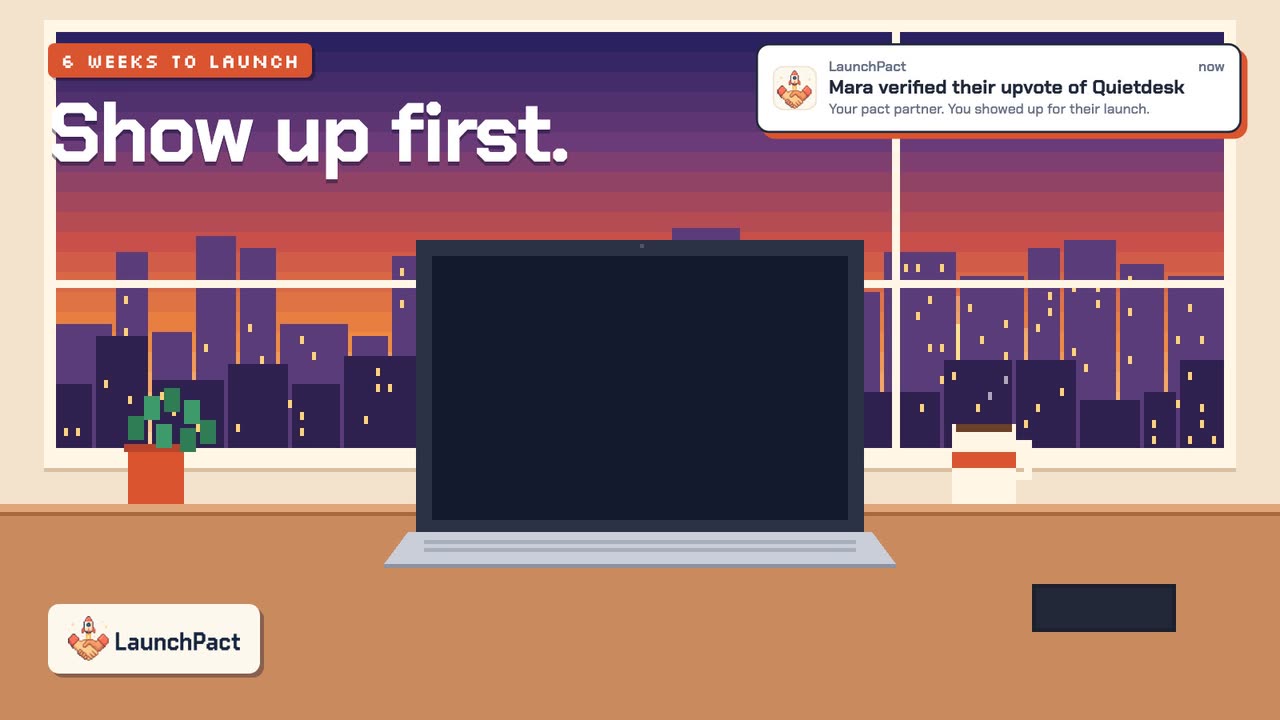 0:51
LaunchPact: Show up first
For a launch community for founders
Why it works
Pixel art at sunrise makes a slow habit watchable: six weeks of showing up for other founders' launches, one verified upvote at a time. The payoff lands on launch day, when the founders they showed up for show up, which is the product's whole promise in one cut.
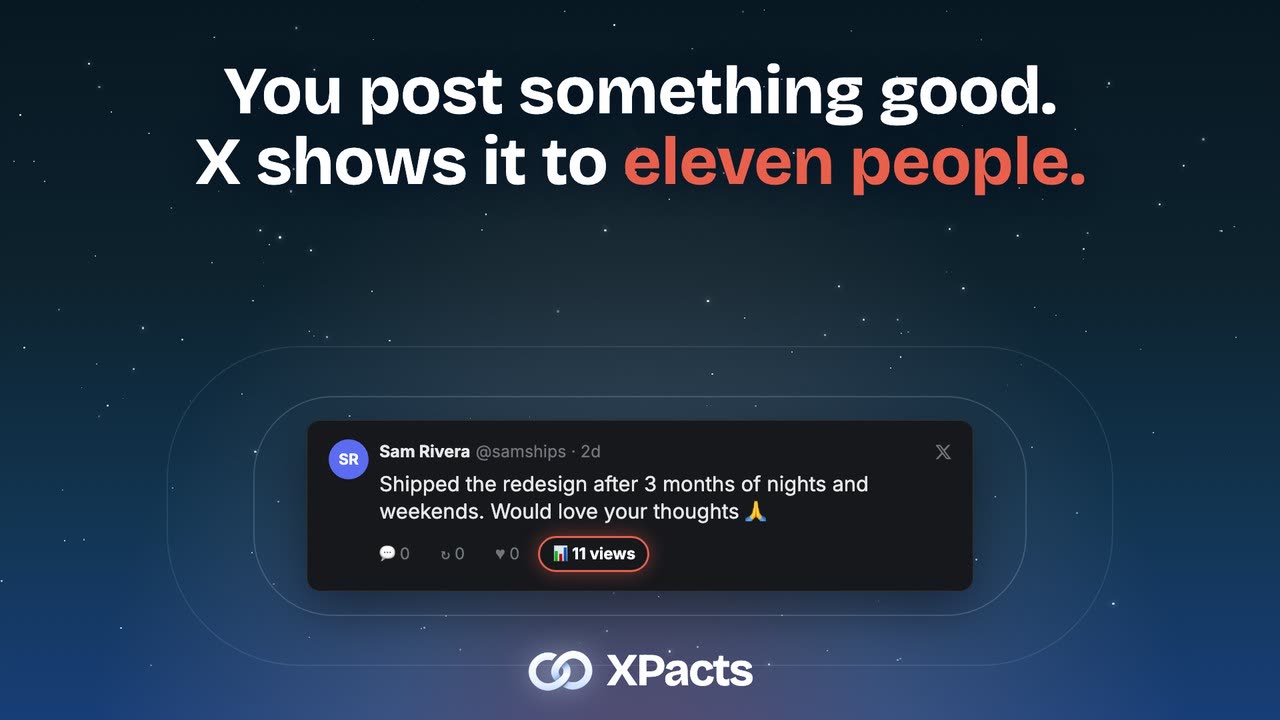 0:54
XPacts: Nobody's there yet
For a community that gets founders seen on X
Why it works
Posting to an empty room, again, is a feeling every early founder on X knows, and the film starts right there. XPacts changes the room with a pact of founders their size who show up when they post: one problem, one turn, one promise.
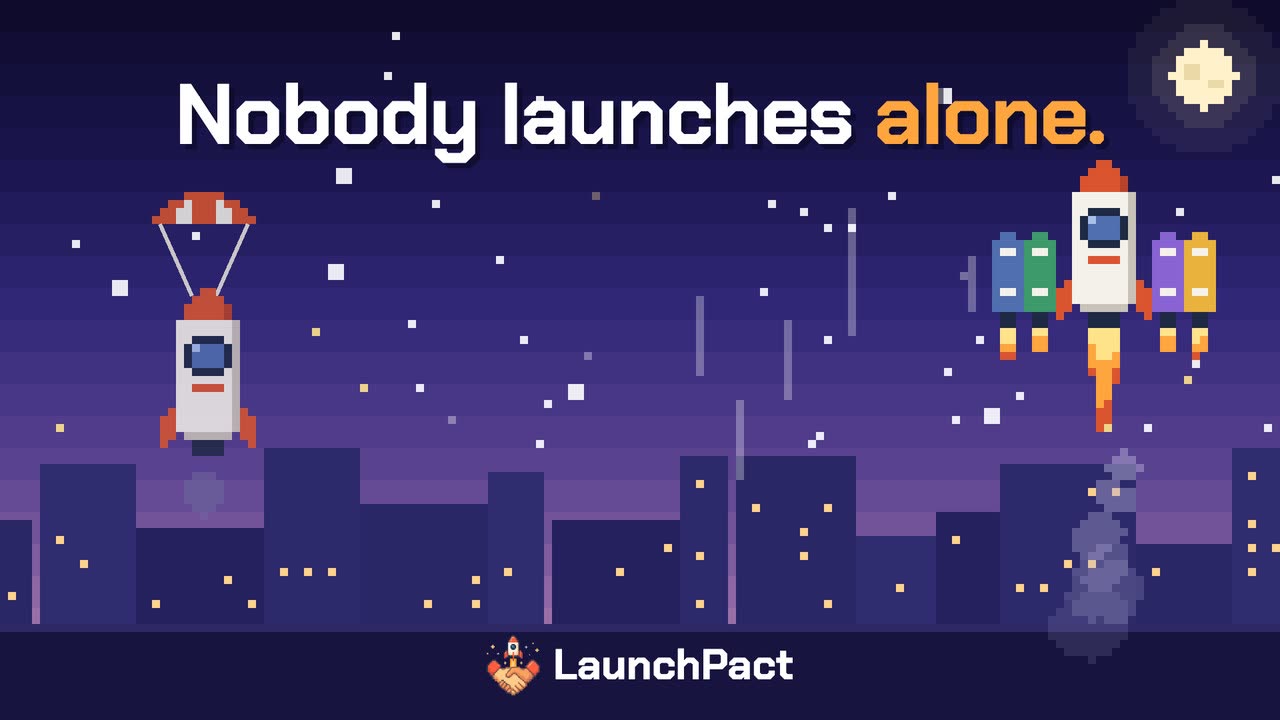 0:45
LaunchPact: Nobody launches alone
For a launch community for founders
Why it works
At 45 seconds it's the shortest film here, and the simplest: pixel-art founders in a sunset town launch their products together. One image carries the whole promise, which shows how little a launch post needs when the idea is clear.
Wondering what a film like these costs elsewhere? See what explainer videos cost in 2026.
Questions
About explainer videos
What is an explainer video?
A short video, usually under two minutes, that shows what a product does and why it matters. Most sit on a landing page or in a launch post. The best ones start from a moment the viewer recognises and show the product changing it, rather than walking through features.
What's the difference between an explainer video and a product demo?
A demo shows how to use the product: screens, clicks and features, for someone already interested. An explainer shows why it matters, from the customer's side, for someone who has never heard of it. Many teams need both: an explainer for the landing page and launch, a demo for onboarding and sales.
What makes a good explainer video?
One idea from the customer's world, the product doing the work once and clearly, the promise in words on screen, and a payoff at the end. It should make sense with the sound off, since many people watch that way, and it should never show the same shot twice.
How long should an explainer video be?
Most run longer than they need to. B2W's data on 671 explainers found a median of 88 seconds, while 51% of marketers in Wyzowl's 2026 survey said 30 to 60 seconds works best. For a landing page or a launch post, 45 to 60 seconds is enough for one moment, one turn and one promise.
How much does an explainer video cost?
Studios charge about $2,400 to $10,000 for 60 seconds, freelancers on Upwork list $800 to $2,500 for a standard 2D explainer, and DIY tools cost $15 to $99 a month. HeroReel makes films like these from your URL for $99. Our cost guide compares every option, with sources.